Whole Chicken: Halal, Organic, & Free-Range (Hormone & Antibiotic Free)
Animal Details
Feed & Rearing
Health & Certification
None. We are strictly against feeding any of our animals any form of growth hormones. Our chickens are strictly fed organic feed that is a mixture of amino acids and and naturally occurring minerals that become biol-available to the checks as vitamins once digested.
None. We are strictly against feeding any of our animals any form of growth hormones. Our chickens are strictly fed organic feed that is a mixture of amino acids and and naturally occurring minerals that become biol-available to the checks as vitamins once digested.
None. We do not inject any form of antibiotics into our animals. Remember: you are what you eat. Do you wish to digest animal-grade antibiotics?
None. We do not inject any form of antibiotics into our animals. Remember: you are what you eat. Do you wish to digest animal-grade antibiotics?
Description
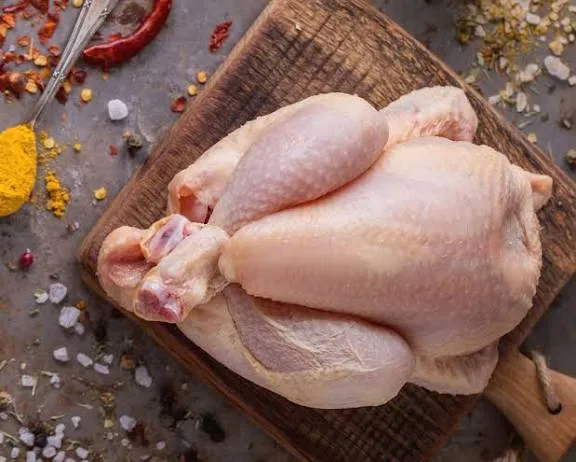
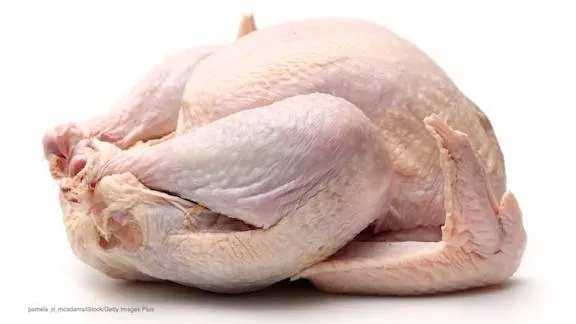
This is a whole chicken that has been plucked, cleaned, gutted, and its head and feet removed (included in a plastic bag inside the belly of the chicken).
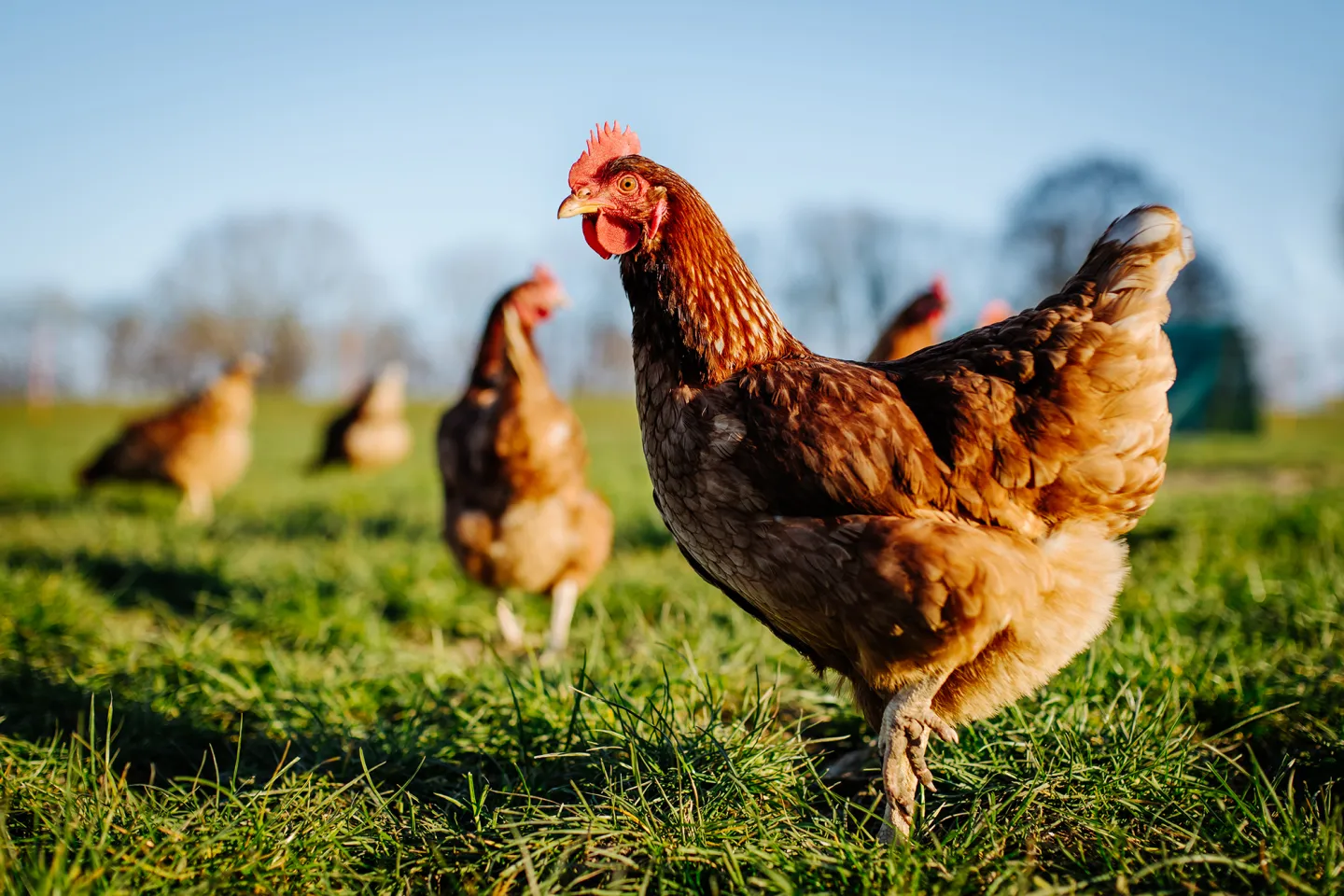
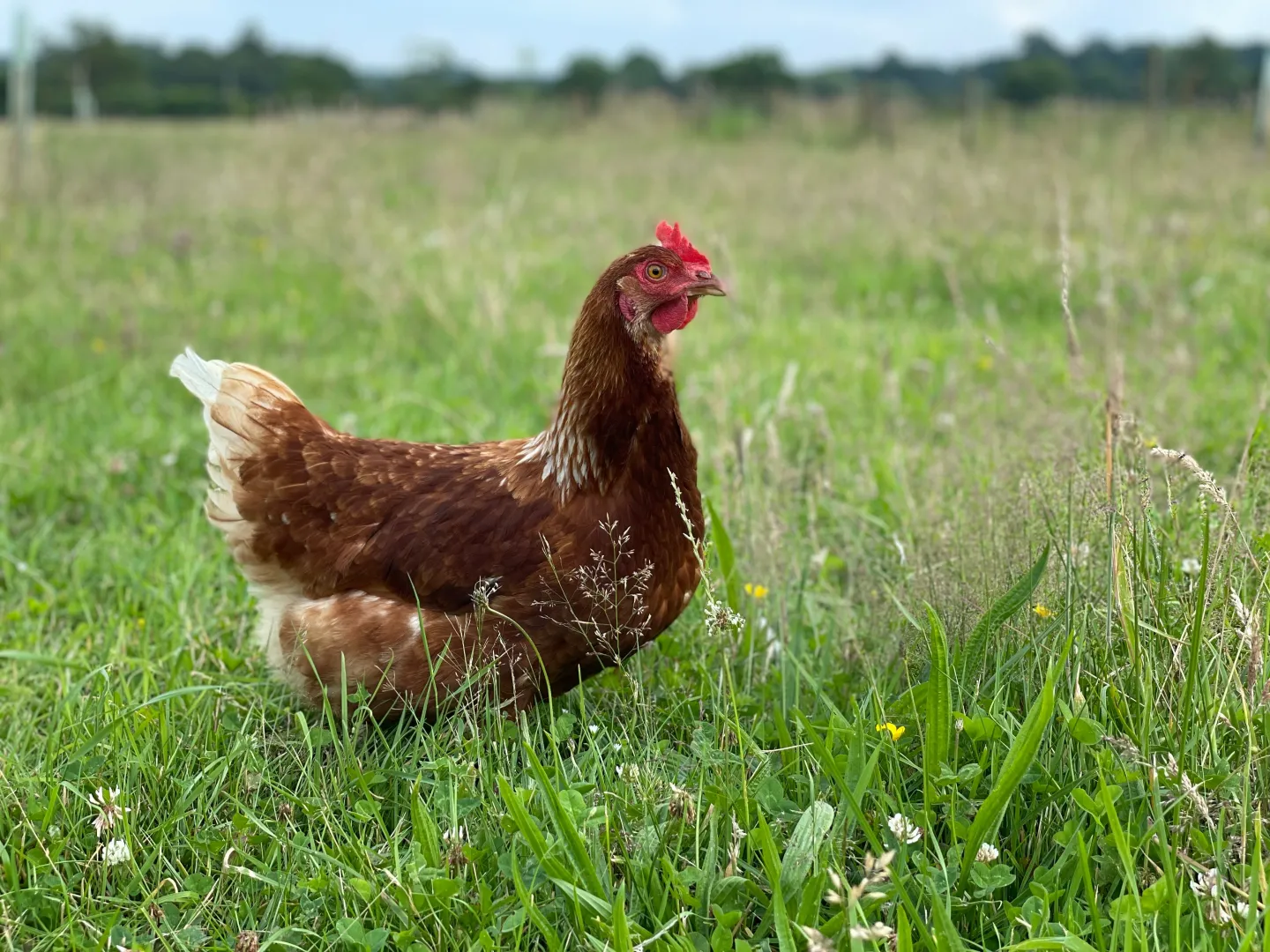
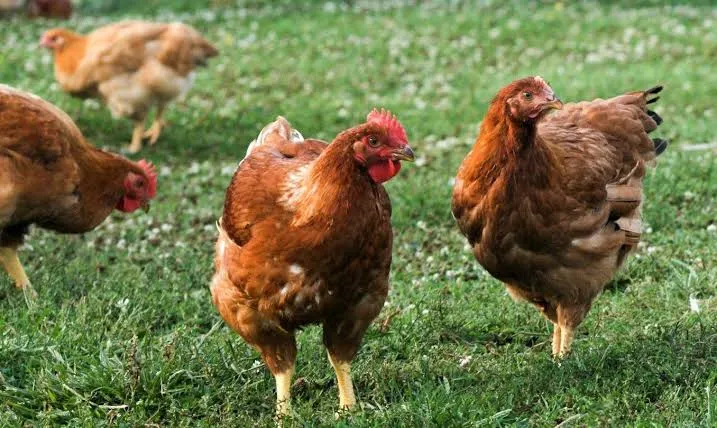
Our organically fed, hormone-free, antibiotic-free, free-range broiler chickens are raised in a calm, natural environment surrounded by pristine waters and mineral-rich volcanic soils. By minimizing stress throughout their lives and during handling, we preserve normal muscle chemistry and animal welfare within the chickens. Scientific research shows that excessive stress before slaughter triggers the release of stress hormones—including corticosterone, adrenaline, and noradrenaline—which alter muscle metabolism by depleting glycogen reserves, making the meet tougher, gray in color, and having a much shorter shelf-life These changes further lead to abnormal pH levels after slaughter, reducing tenderness, juiciness, water-holding capacity, flavor, and overall meat quality. With our meticulous attention to animal welfare, the result is chicken that is naturally more tender, flavorful, and delicious.
Each of our chickens average around 5 lbs. in weight.
Stress Hormones Released by Chickens
When chickens experience fear, overcrowding, rough handling, excessive heat, transportation, predators, loud noises, or poor living conditions, their bodies activate the stress response.
The primary hormones released include:
• Corticosterone (the primary stress hormone in birds, equivalent to cortisol in humans) • Adrenaline (Epinephrine) • Noradrenaline (Norepinephrine)
These hormones prepare the bird for "fight or flight."
What Happens Inside the Muscle?
The hormones trigger several physiological responses:
- Rapid Glycogen Depletion
- A) Muscles store energy as glycogen. B) Stress causes muscles to rapidly burn through these glycogen reserves. C) After slaughter, glycogen is supposed to convert into lactic acid, which lowers the muscle's pH.
If glycogen has already been depleted by stress:
• Less lactic acid forms • Muscle pH stays abnormally high • Meat quality declines
- Abnormal pH Changes
The ideal ultimate meat pH is roughly
5.7–6.0
Stress can produce abnormal pH levels that create several defects.
- Protein Damage
High stress causes:
• protein denaturation • reduced water-holding capacity • muscle fiber damage
These changes reduce:
• tenderness • juiciness • texture
- Increased Oxidative Stress
Stress increases production of: Reactive Oxygen Species (ROS)
These damage:
• muscle proteins • fats • cell membranes
This results in:
• poorer flavor • shorter shelf life • tougher meat • Meat Defects Caused by Stress • PSE Meat
Pale, Soft, Exudative
Occurs when animals experience acute stress immediately before slaughter.
Characteristics:
• pale appearance • watery • poor texture • lower yield • less juicy • DFD Meat
Dark, Firm, Dry
Occurs after prolonged stress.
Characteristics:
• dark color • firm texture • sticky surface • shorter shelf life • undesirable appearance
Although more common in cattle, similar high-pH defects can occur in poultry.
Scientific Studies Show Stress Can Affect:
✔ Tenderness ✔ Water-holding capacity ✔ Juiciness ✔ Flavor ✔ Shelf life ✔ Color ✔ Texture ✔ Consumer acceptance
Additional Notes
This is a whole chicken that has been plucked, cleaned, gutted, and its head and feet removed (included in a plastic bag inside the belly of the chicken).
Stress Hormones Released by Chickens
When chickens experience fear, overcrowding, rough handling, excessive heat, transportation, predators, loud noises, or poor living conditions, their bodies activate the stress response.
The primary hormones released include:
Corticosterone (the primary stress hormone in birds, equivalent to cortisol in humans) Adrenaline (Epinephrine) Noradrenaline (Norepinephrine)
These hormones prepare the bird for "fight or flight."
What Happens Inside the Muscle
The hormones trigger several physiological responses:
- Rapid Glycogen Depletion
Muscles store energy as glycogen.
Stress causes muscles to rapidly burn through these glycogen reserves.
After slaughter, glycogen is supposed to convert into lactic acid, which lowers the muscle's pH.
If glycogen has already been depleted by stress:
Less lactic acid forms Muscle pH stays abnormally high Meat quality declines
- Abnormal pH Changes
The ideal ultimate meat pH is roughly
5.7–6.0
Stress can produce abnormal pH levels that create several defects.
- Protein Damage
High stress causes:
protein denaturation reduced water-holding capacity muscle fiber damage
These changes reduce:
tenderness juiciness texture
- Increased Oxidative Stress
Stress increases production of:
reactive oxygen species (ROS)
These damage:
muscle proteins fats cell membranes
This results in:
poorer flavor shorter shelf life tougher meat Meat Defects Caused by Stress PSE Meat
Pale, Soft, Exudative
Occurs when animals experience acute stress immediately before slaughter.
Characteristics:
pale appearance watery poor texture lower yield less juicy DFD Meat
Dark, Firm, Dry
Occurs after prolonged stress.
Characteristics:
dark color firm texture sticky surface shorter shelf life undesirable appearance
Although more common in cattle, similar high-pH defects can occur in poultry.
Scientific Studies Show Stress Can Affect:
✔ Tenderness ✔ Water-holding capacity ✔ Juiciness ✔ Flavor ✔ Shelf life ✔ Color ✔ Texture ✔ Consumer acceptance
Pricing & Availability
Farmer Information

Agribit Farm
Member since Jun 2024
Tango Drive, 0100, Arnos Vale, Arnos Vale, VC