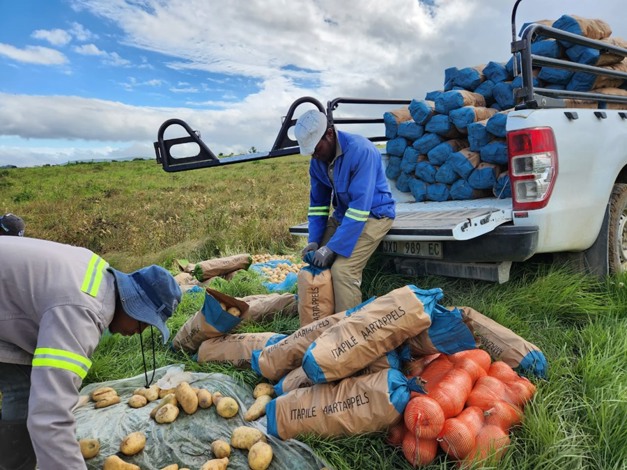
🌱 What's the Difference?
Selling locally means supplying customers, shops, restaurants, or markets within the same country.
Exporting involves selling agricultural products to buyers overseas, either directly or through an exporter.
Both offer opportunities, but each comes with different costs, requirements, and potential rewards.
🛒 Is Selling Close to Home Easier?
Local markets can mean shorter delivery distances, closer relationships with buyers, and more flexibility when selling smaller quantities.
Farmers can also respond more easily to local customer preferences.
But there's a catch. If several farmers harvest the same crop at once, the market could become overcrowded, pushing prices down.
🌍 Could Exporting Open More Doors?
Absolutely. Exporting can introduce farmers to new customers, larger orders, and markets where their produce is in greater demand.
However, reaching those buyers may require additional packaging, inspections, certification, and transportation.
Farmers don't always have to manage everything themselves. Exporters and cooperatives can help connect them with international markets.
💰 Higher Prices, But Higher Profits?
Imagine receiving $5 per pound from an overseas buyer instead of $3 locally. The overseas offer sounds better, but what happens after packaging, storage, and transportation costs?
Those extra expenses could reduce the difference considerably.
Local selling also involves costs, so the important question isn't simply “Who's paying more?” but “How much will I actually earn after expenses?”
Reliable payments matter too.
🚚 How Far Can Your Harvest Travel?
Fresh produce doesn't always travel well. Longer journeys may require refrigeration, suitable packaging, and careful handling to prevent spoilage.
Transportation also affects the environment. However, food travelling a shorter distance doesn't automatically have a smaller environmental footprint. Farming methods, storage, and transportation efficiency matter too.
📋 Will Your Produce Meet the Standards?
Both local and international buyers have quality expectations.
Export markets may require additional food safety checks, certification, or specific packaging, depending on the destination.
Knowing these requirements beforehand can help farmers avoid rejected shipments and unexpected expenses.
🤝 Why Choose Just One Market?
Farmers don't necessarily have to choose between the two.
Some sell part of their harvest locally while supplying the remainder through exporters. This can create additional opportunities and reduce dependence on a single market.
Of course, managing different buyers means keeping track of delivery schedules, product requirements, and payments.
🌿 So, Which Is Better?
There's no universal winner.
Local markets may offer convenience and closer buyer relationships, while exporting can create opportunities beyond domestic demand.
The better choice depends on what farmers can manage, what buyers need, and what remains after expenses.
Sometimes the best opportunity isn't the buyer offering the highest price, but the one offering the most worthwhile return.