Help Articles
Guides and tutorials to help you get the most out of Agribit.
Gardening Basics
Exploring essential gardening practices, from planting and soil preparation to watering, plant care, and maintaining a productive garden.

What are the Basics of Gardening?
Gardening involves growing and caring for plants, whether for food, decoration, or personal enjoyment. You don't need a large piece of land to get started. With suitable conditions and regular care, plants can grow in backyards, raised beds, or containers.

Understanding Soil: What Makes a Healthy Garden?
Have you ever wondered why some plants grow well while others struggle, even when they're getting enough water and sunlight? Sometimes, the answer is right beneath your feet. Soil does more than hold plants in place. It provides the water, nutrients, and air that roots need to grow. Understanding your soil can make a big difference in how well your garden develops.

How Often Should You Water Your Plants?
Are you watering your plants too much, too little, or just enough? Watering might seem like one of the easiest parts of gardening, but getting it right can make a big difference. Too little water can cause plants to wilt, while too much can leave roots struggling to get enough air. So, how do you know when it's time to water?
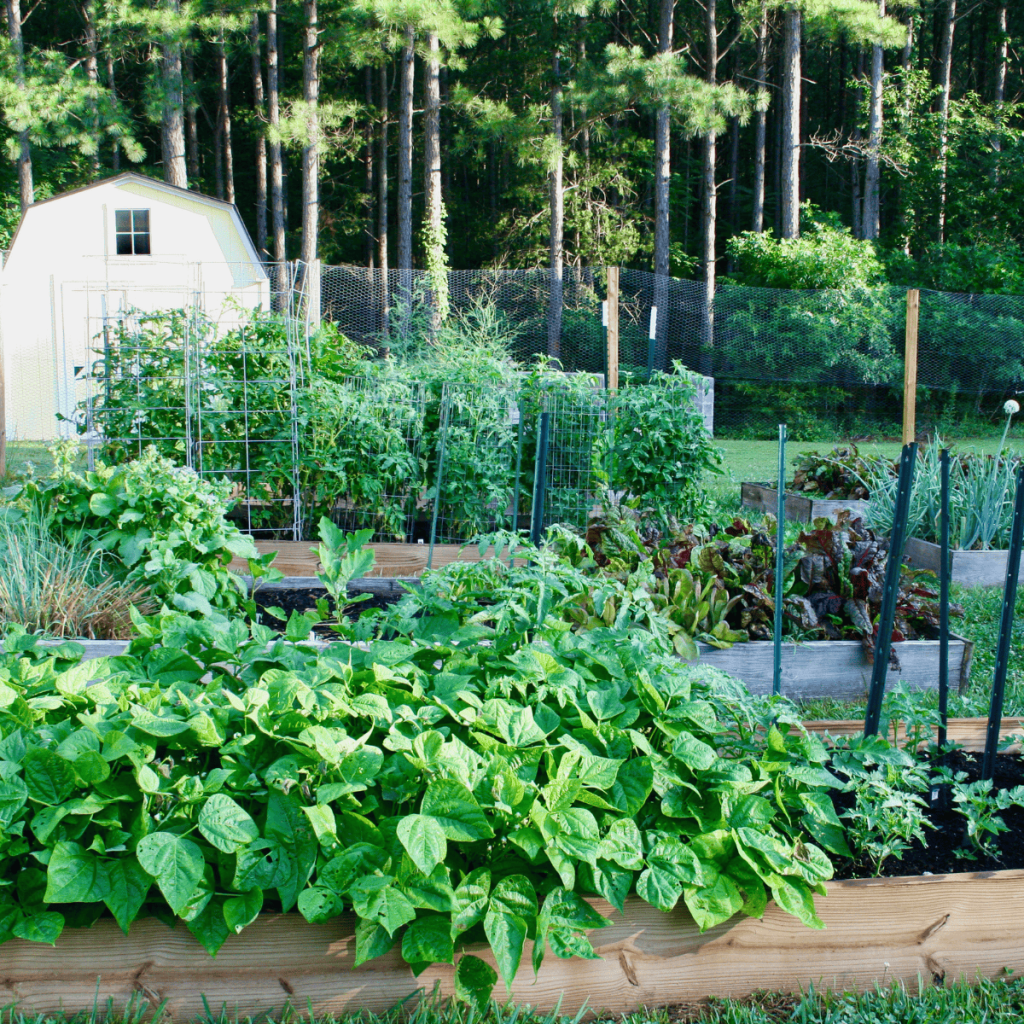
How to Choose the Right Location for Your Garden
Before planting your first seed, it's important to find the right spot for your garden. Sunlight, water, soil, and available space all play a role in how well your plants grow. Whether you have a backyard, balcony, or just a few containers, here's what you should consider before getting started.
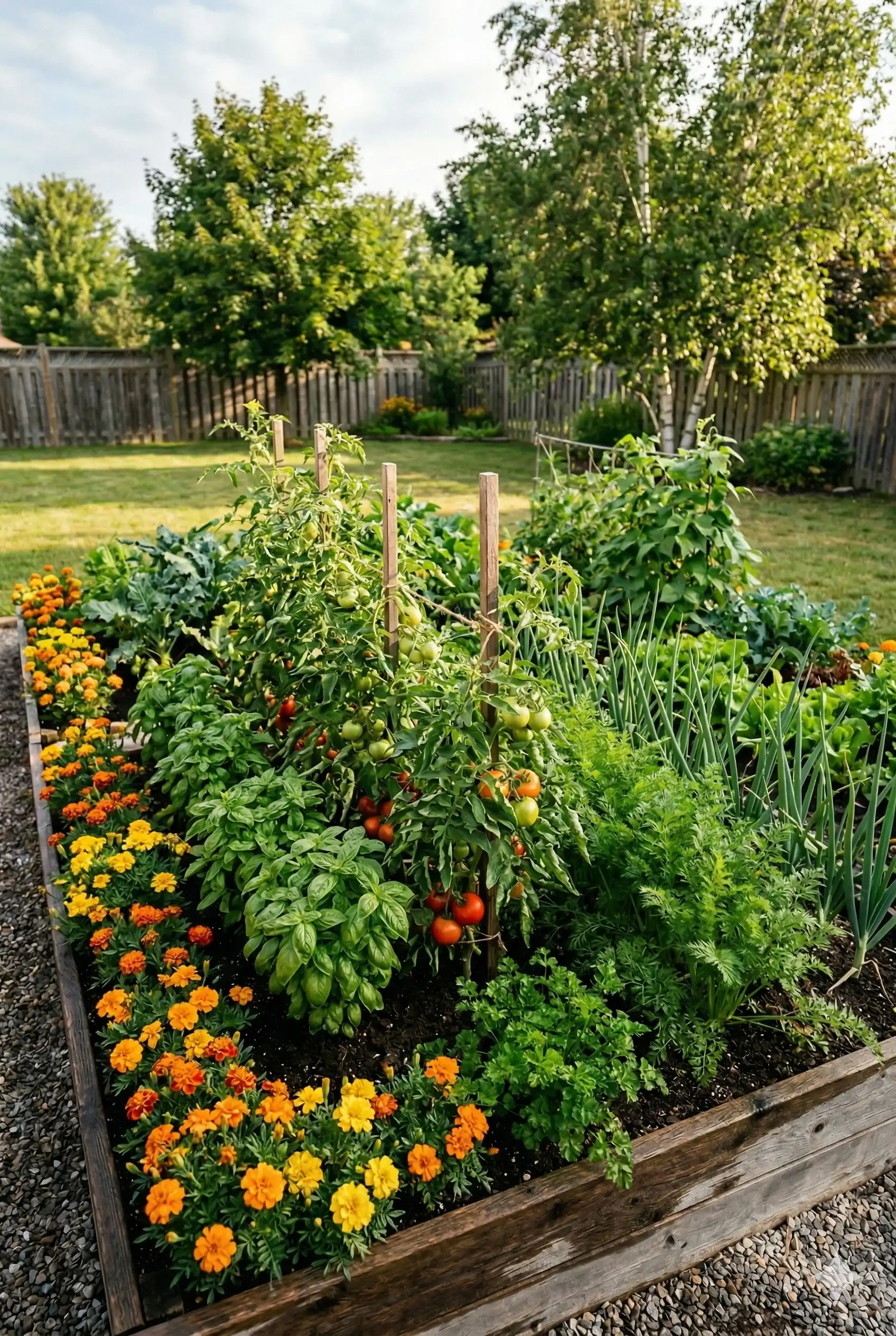
Can the Plants You Grow Together Affect Your Harvest?
Have you ever noticed gardeners growing flowers and herbs right alongside their vegetables? It might look decorative, but some of those plants could actually be helping their neighbours. This practice is called companion planting, and it's based on the idea that certain plants can work together to discourage pests, attract helpful insects, and make better use of growing space. But does it really work, or is it just another gardening tradition?

How Can You Grow New Plants Without Buying Seeds?
Did you know you can grow an entirely new plant without planting a single seed? It might sound surprising, but some plants can grow from a piece of stem, an underground plant part, or even leftover vegetables from your kitchen. Gardeners call this vegetative propagation. It simply means growing a new plant from part of an existing one, rather than starting with seeds. So, how does it actually work?

Why Are Your Plants Growing but Not Producing?
Have you ever grown a tomato or pepper plant that looked perfectly healthy but barely produced anything? The leaves are green, the stems are growing, and everything seems fine. Yet weeks pass, and there's still little to harvest. Here's the interesting part: just because a plant looks healthy doesn't mean it's going to produce a good harvest. So, what could be stopping your plants from producing?
Electroculture
Gardening techniques using copper wire, often coiled on wooden stakes (antennas), to harness atmospheric electricity and the Earth's magnetic field to stimulate plant growth and soil microbial activity.

What is Electroculture?
Electroculture is an agricultural method that uses natural or artificially generated electrical and electromagnetic fields to stimulate plant growth, improve soil fertility, and increase crop yields—often without fertilizers or chemicals.
Does Electroculture Actually Work?
Electroculture involves using electrical methods to influence plant growth, but not every technique has been proven effective. Some controlled electrical treatments have produced positive results in agricultural experiments. However, popular methods such as copper antennas have not consistently improved crop yields. Electroculture can work under certain conditions, but its effectiveness depends on the method used.

Electroculture vs. Traditional Gardening: What's the Difference?
Traditional gardening and electroculture are two approaches used to support plant growth, but they work differently. Traditional gardening focuses on managing soil, water, nutrients, and other growing conditions. Electroculture introduces electrical techniques designed to affect plant growth. The main difference lies in the methods used and how they are applied.
What Should You Know Before Trying Electroculture?
Electroculture has gained attention among gardeners and farmers through claims that electrical techniques can improve plant growth, increase harvests, or reduce the need for fertilizers. However, results can vary depending on the method used, growing conditions, and how improvements are measured. Before trying electroculture, it is useful to understand how to evaluate claims, compare results, and recognize potential safety risks.

Who First Thought of Using Electricity to Grow Plants?
Imagine living in the 1700s, when electricity was still something scientists were trying to understand. Now imagine someone deciding to use it to grow plants. It might sound like a modern experiment, but people were exploring this idea more than 270 years ago. So, who started it, and what did they discover?
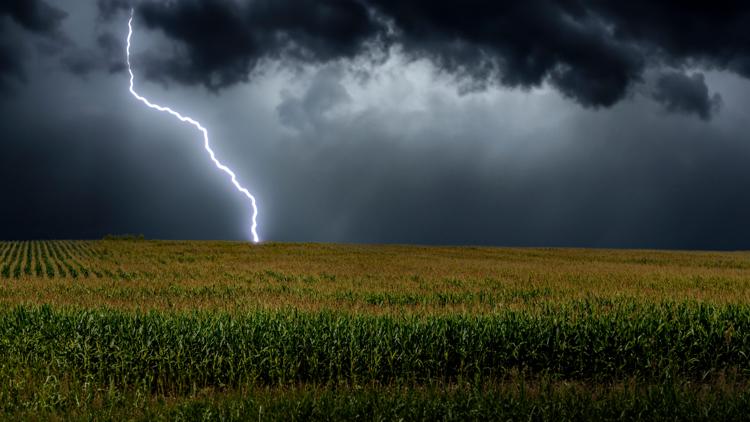
Do Thunderstorms Really Help Plants Grow?
Have you ever walked through your garden after a thunderstorm and noticed how much greener everything looks? You might think it's simply because the plants received a good watering. And while that's part of it, something interesting also happens in the sky during a thunderstorm. Lightning can actually help make nitrogen available to plants. But does that mean every thunderstorm gives your garden a natural fertilizer boost?
Subsistence Farming
Understanding how farmers grow food to support their households and communities.

What is Subsistence Farming?
Subsistence farming involves growing crops or raising animals primarily to feed yourself and your family, rather than producing food mainly for sale. Most of what is produced is consumed at home, although extra produce may be shared, traded, or sold.

What Crops Are Best for Subsistence Farming?
From cassava and sweet potatoes in tropical regions to millet in drier climates, subsistence farmers grow a variety of crops to feed their households. But what makes one crop more suitable than another? The answer depends on the local climate, available land, and the foods a family regularly consumes. Choosing the right combination of crops can help households produce a more varied and dependable food supply.

How Can Subsistence Farmers Improve Their Harvests?
A good harvest starts long before crops are ready to pick. From keeping soil healthy to protecting plants against pests, the decisions farmers make throughout the growing season can affect how much food they produce. The good news is that improving a harvest doesn't always require expensive equipment or additional farmland. Simple changes in how crops are grown, maintained, and stored can make a difference.
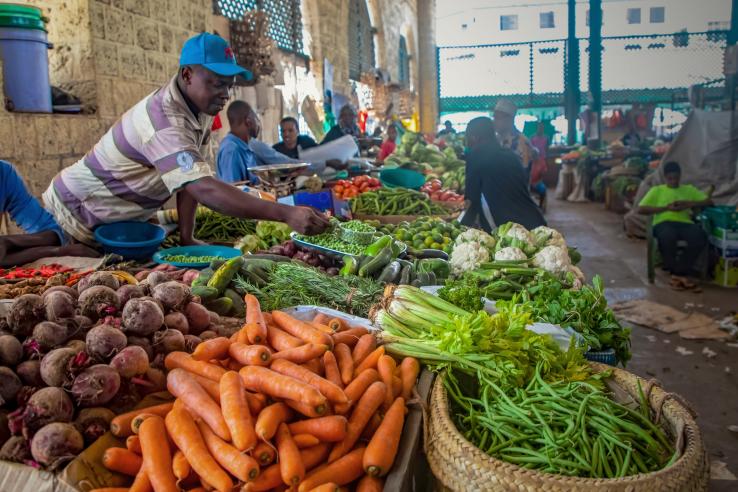
How Can Subsistence Farmers Balance Food and Income?
For many subsistence farmers, a harvest serves two important purposes: feeding their families and providing an opportunity to earn income. Selling crops can help pay for household necessities, but selling too much may leave families without enough food until the next harvest. The key is knowing how much food to keep for the family and how much can be sold without putting future meals at risk.
Permaculture
Exploring sustainable farming practices that work with nature to grow food and protect the environment.

What is Permaculture?
Permaculture is an approach to farming and sustainable living that works with nature rather than against it. It focuses on designing systems where plants, animals, soil, water, and people support one another while making responsible use of natural resources.

What Are the 12 Principles of Permaculture?
Permaculture encourages us to work with nature when growing food and managing resources. But how do we actually put that into practice? That's where the 12 principles of permaculture come in. Developed by David Holmgren, these principles offer practical guidance for designing gardens, farms, and other spaces in ways that make better use of natural resources.

How to Start a Permaculture Garden
You don't need a large backyard or expensive equipment to start a permaculture garden. What matters is understanding your space and making the most of the resources you already have. Whether you have a backyard, a small plot of land, or a few containers, these five steps can help you get started.

What Is Companion Planting, and Does It Really Work?
Have you ever heard that planting basil beside tomatoes helps keep pests away? Or that marigolds can protect your vegetables? These are examples of companion planting, a gardening method that involves growing different plants close together so they may benefit one another. But do these combinations actually work, or are some of them simply gardening traditions? The answer is that some benefits are supported by research, while others still need stronger evidence.
DIY Tips and Projects
Practical, step-by-step gardening and farming projects you can try yourself.

How to Feed Your Garden Naturally Using Grass Clippings
Did you know that freshly cut grass can help nourish your garden? Instead of throwing away grass clippings, you can reuse them as a natural mulch. As they gradually decompose, they return nutrients to the soil while helping retain moisture and protect plant roots. It's an inexpensive gardening method that requires very little equipment.
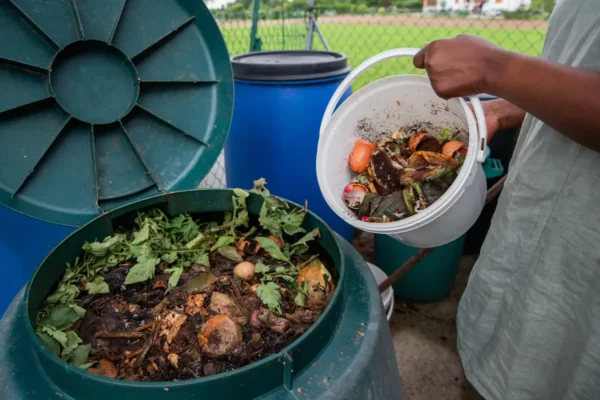
How to Make Compost at Home
Did you know that everyday kitchen scraps and garden waste can be turned into something useful for your plants? Composting is the natural process of breaking down organic materials, such as fruit peels, vegetable scraps, and dry leaves, into a nutrient-rich material that helps improve soil. The best part? You don't need expensive equipment or a large garden to get started.
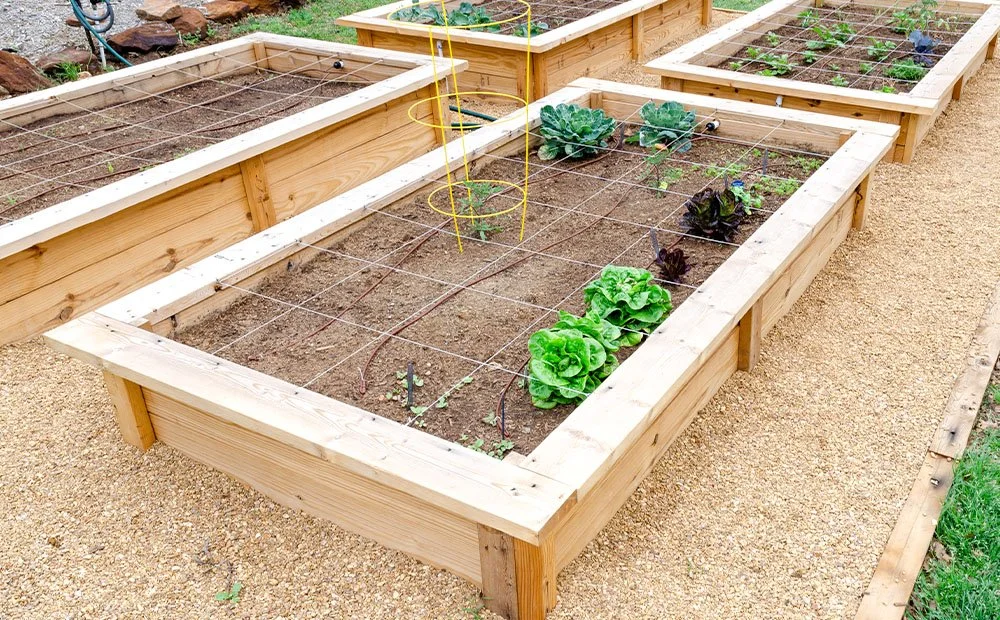
How to Build a Simple Raised Garden Bed
Want to grow vegetables or herbs but don't have the best garden soil? A raised garden bed could be just what you need! Raised beds are growing areas built above ground level, usually surrounded by wood, bricks, or other sturdy materials. They can help improve drainage, reduce soil compaction, and make gardening easier to manage. Best of all, you can build one yourself.

How to Collect Rainwater for Your Garden
Did you know that a little rainfall could help you save water and keep your garden growing? Rainwater harvesting is the process of collecting and storing rainwater for later use. Whether you have a small backyard or a larger garden, collecting rainwater can help reduce your reliance on tap water, especially during dry periods. The best part? You don't need an expensive system to get started!
Agricultural Dilemmas
Exploring the challenges, decisions, and trade-offs farmers face in agriculture.

Feeding the Family or Selling the Harvest? The Choices Small-Scale Farmers Face
For many farmers, growing food isn't just about making money. It's also about putting food on the table. But what happens when farmers need to feed their households while also earning enough to cover farming expenses and everyday needs? This is a challenge small-scale farmers face around the world.

Organic vs. Conventional Farming: Is One Always Better?
When you hear the word organic, do you automatically think healthier, safer, or better for the environment? And does that mean conventional farming is the opposite? Not necessarily. Both methods produce food, but they differ in how farmers manage soil, pests, and crop production. Each has advantages, costs, and challenges depending on what farmers grow and where they operate. So, is one always better than the other?

Growing One Crop or Many: Which Is Better for Farmers?
Imagine spending months growing a crop, only for its market price to drop just before harvest. Now imagine growing several crops, but struggling to find enough time, labour, or buyers to manage them all. These are challenges farmers face when deciding what to grow. Should they focus on one crop or spread their efforts across several? Both approaches offer opportunities, but each comes with risks.
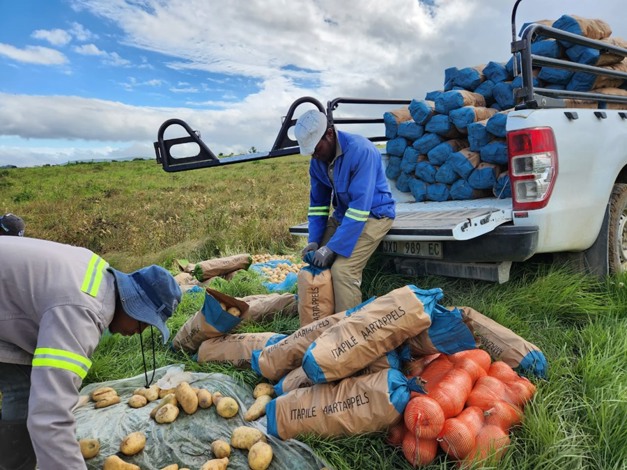
Selling Locally or Exporting: What Should Farmers Consider?
You've just harvested a fresh batch of produce. A local buyer is ready to collect it tomorrow, but an overseas buyer is offering more money. Sounds like an easy decision, right? Not quite. That higher price could come with expenses you hadn't considered. So, how do farmers decide which market is worth their time and investment?

Why Are So Many Farmers in India Struggling With Debt?
India is one of the world's largest agricultural producers, yet millions of farming households face financial difficulties. According to India's National Statistical Office (NSO), 50.2% of agricultural households had outstanding loans in 2019, averaging ₹74,121. So, why are so many farmers struggling financially in a country with such a large agricultural industry?
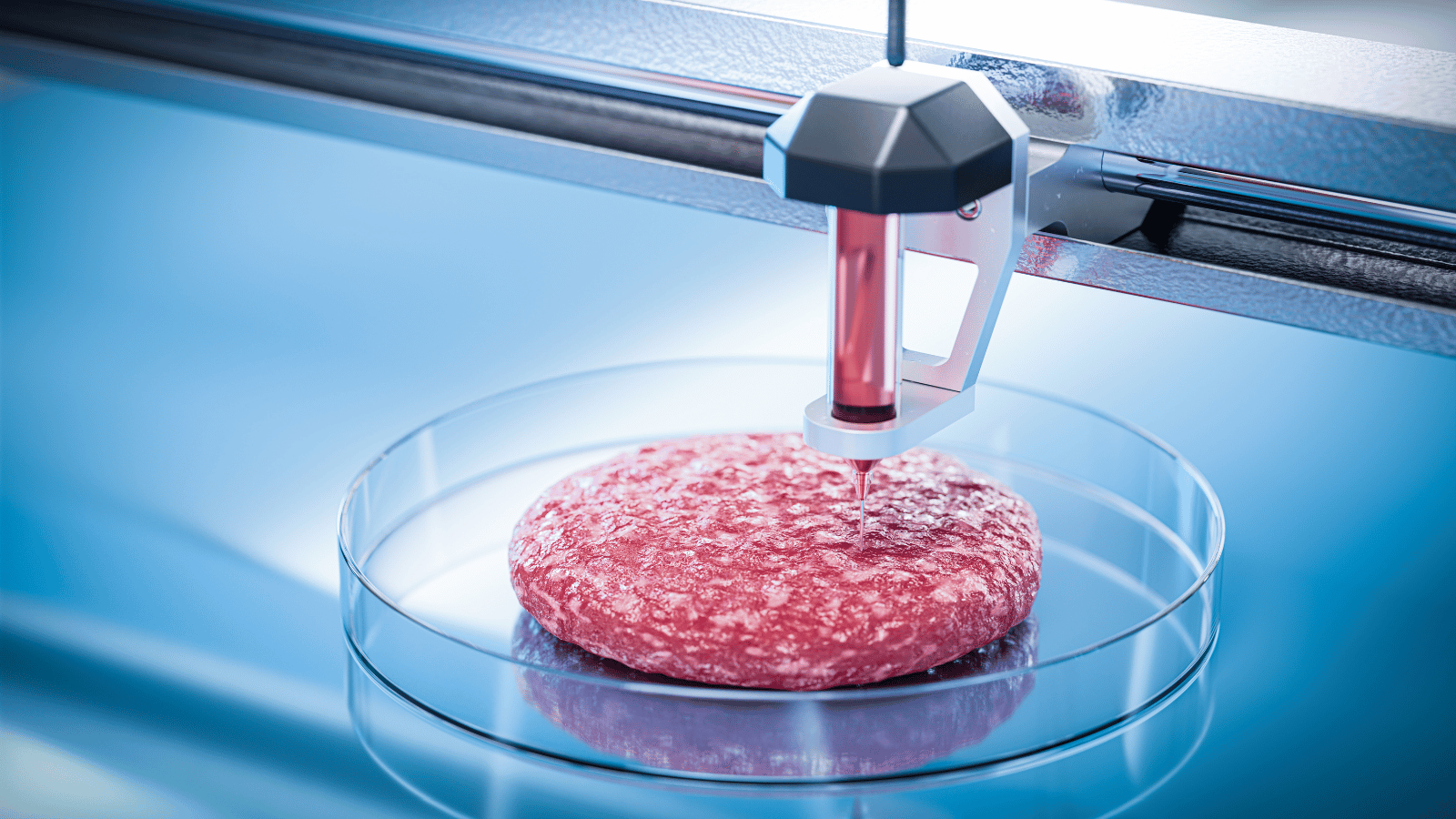
3D-Printed Meat: What's Happening to the Food on Our Plates?
Imagine buying what looks like a regular piece of chicken, only to discover it never came from a poultry farm. Instead, it was created using a 3D food printer. Researchers are developing alternatives that resemble chicken, beef, and seafood. But what are these products made from, and could they change how our food is produced?

The Science Behind Halal Chicken: Does It Really Taste Better?
Have you ever heard someone say halal chicken tastes fresher, is more tender, or simply tastes better? While halal chicken follows Islamic dietary requirements, researchers have also investigated whether different slaughter methods affect meat quality. So, is there scientific evidence behind these claims?
Health and Wellness
Exploring nutrition, healthy living, and everyday practices that support physical and mental well-being.
Bee Venom: Can It Really Cure Cancer?
What if something as small as a bee could help scientists develop new cancer treatments? It might sound surprising, but researchers have discovered that a compound found in honeybee venom can destroy certain cancer cells in laboratory experiments. The discovery has attracted scientific interest, but how close are we to turning bee venom into an actual cancer treatment?
From Breadfruit to Pizza: Is There Anything This Caribbean Staple Can't Do?
Imagine ordering pizza and discovering that the crust isn't made from wheat flour. It's made from breadfruit! Across the Caribbean, we're familiar with roasting, boiling, and frying this staple. But breadfruit can also become pizza, pancakes, bread, and even pasta. So, what makes this familiar crop so versatile?

Are We Overlooking the Health Benefits of Our Caribbean Fruits?
Walk through almost any Caribbean market, and you'll find fruits like guava, papaya, mango, and West Indian cherry. They're familiar, colourful, and often part of our everyday diets. Yet with so much attention given to imported berries, apples, and so-called superfoods, it's worth asking: are we overlooking the nutritional value of fruits growing right around us?
Okra Water: Can This Slimy Vegetable Really Help Control Blood Sugar?
Okra is a familiar ingredient in Caribbean kitchens, whether it's added to soup, steamed, or served alongside a meal. But recently, another use has attracted attention: soaking sliced okra in water overnight and drinking the liquid the following morning. Supporters claim it helps lower blood sugar, particularly for people with diabetes. But does science actually support drinking okra water, or are we confusing the benefits of eating okra with those of soaking it?
Natural Medicines
Exploring medicinal plants, traditional remedies, and their potential uses, benefits, and limitations in supporting health and wellness.
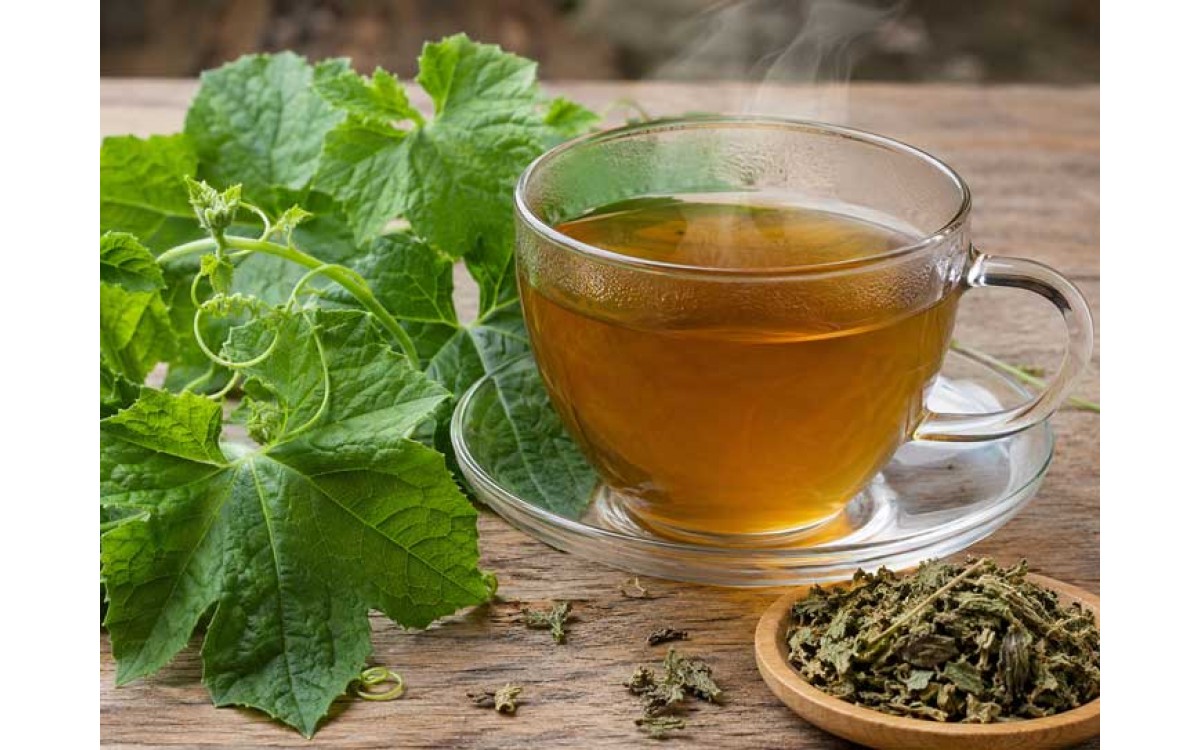
Cerasee Tea: Is This Bitter Caribbean Remedy Actually Good for You?
If you grew up in the Caribbean, chances are you've heard someone recommend cerasee tea for a stomach ache, skin problems, or simply to cleanse the blood. Its bitter taste is almost as famous as its reputation for healing. But while cerasee has been used for generations, how much of what we've been told about this traditional remedy is actually supported by science?

Is Sorrel Actually Healthy, or Have We Been Drinking It Wrong?
For many Caribbean families, Christmas wouldn't feel complete without a cold glass of sorrel. Whether it's prepared with ginger, cloves, cinnamon, or a splash of rum, this deep-red drink is a tradition across the region, including St. Vincent and the Grenadines. But while we've been enjoying sorrel for generations, scientists have been investigating its potential health benefits. So, is sorrel actually good for us, or could the way we prepare it be changing what we get out of it?
Soursop Leaf Tea: What's Really Happening Inside That Cup?
In many Caribbean households, soursop leaves are more than something growing on a tree in the backyard. They're often boiled into tea when someone wants to relax, sleep better, or ease discomfort. Some people even believe the leaves can help with high blood pressure, diabetes, and cancer. But here's something worth knowing: some of the compounds that make soursop interesting to scientists are also raising concerns about its safety. So, what are we actually drinking?

How Much Do You Really Know About Aloe Vera?
We've all seen aloe vera being used for burns, skin irritation, and homemade remedies. But did you know scientists are also studying this familiar plant for its potential role in tissue repair, dental treatments, and inflammation? Even more surprising, while some studies suggest aloe helps wounds heal faster, others have found the opposite. So, what else might we be overlooking about a plant that's been growing in our backyards for generations?