🌱 In-Depth Explanation
Permaculture is based on a simple idea: everything in nature is connected.
Instead of managing crops and resources separately, it brings them together to create productive, balanced systems.
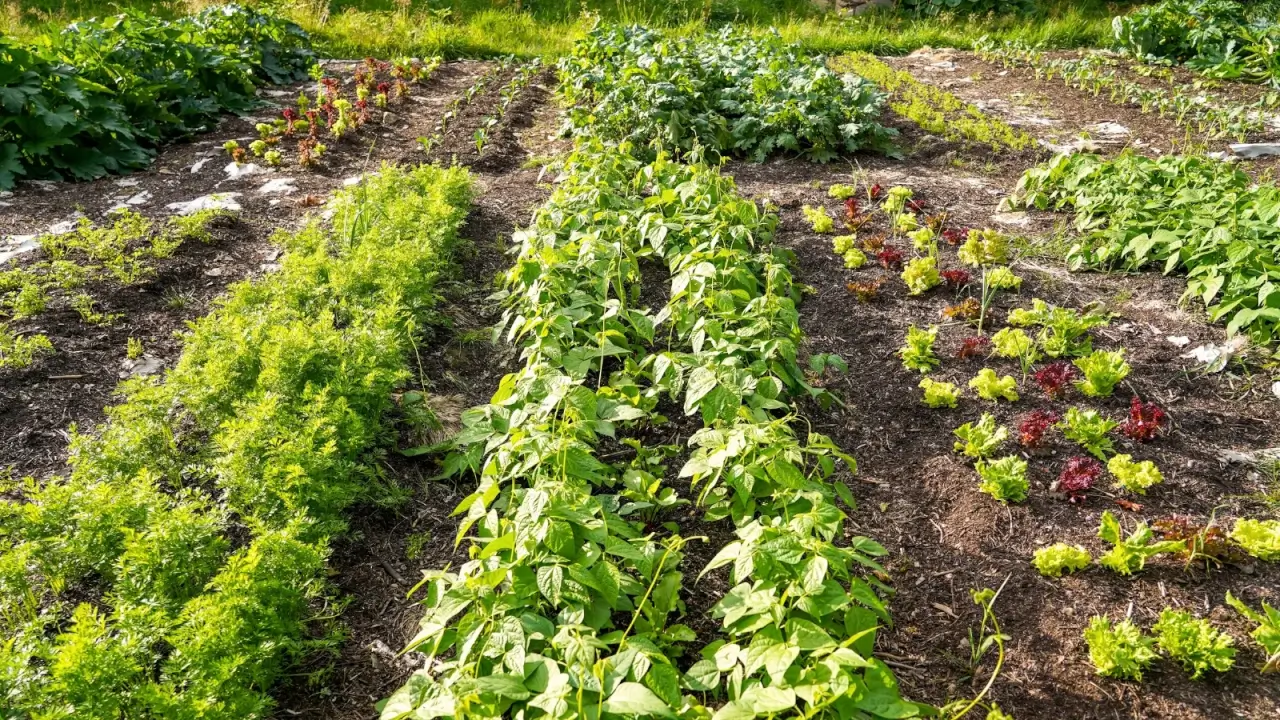
For example, a garden might combine fruit trees, vegetables, and composting to make better use of space, water, and nutrients.
🌿 The Three Core Ethics
Permaculture follows three guiding ethics:
- Earth Care: Protect the environment and natural resources.
- People Care: Support the well-being of individuals and communities.
- Fair Share: Use resources responsibly and share surplus where possible.
🌾 How It Works
Permaculture begins with observing the land and designing how different elements can work together.
Common practices include:
- Companion Planting: Growing plants together that may benefit one another.
- Composting: Turning organic waste into nutrient-rich material.
- Rainwater Harvesting: Collecting rainwater for later use.
- Mulching: Covering soil to help retain moisture.
- Crop Diversity: Growing different plant species within a system.
📖 Historical Background
Permaculture was developed in Australia during the 1970s by Bill Mollison and David Holmgren.
Originally meaning permanent agriculture, the concept was introduced in their 1978 book Permaculture One.
Over time, it expanded beyond farming to include sustainable housing, communities, and resource management.
⚖️ Benefits and Challenges
Permaculture aims to provide several benefits:
- Resource Conservation: Encourages efficient use of water and materials.
- Soil Protection: Practices like mulching can help protect soil.
- Biodiversity: Encourages a variety of plants and other organisms.
- Waste Reduction: Promotes composting and reusing resources.
However, permaculture requires thoughtful planning and an understanding of local conditions. Depending on the project, setting up and maintaining a system may also require additional time, labour, or resources.
🌍 Why Permaculture Matters Today
Permaculture encourages us to think differently about how we grow food and use natural resources.
Its principles can be applied to home gardens, farms, and communities, although results depend on the environment and how each system is managed.