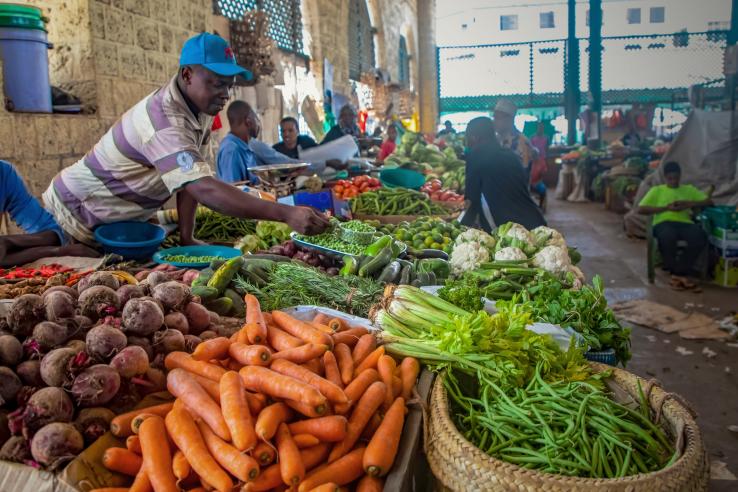
🥕 How Much Food Should Farmers Keep?
Before deciding what to sell, farmers should consider how much food their household will need until the next harvest.
This includes the number of people being fed, the foods they regularly eat, and how long different crops can be stored.
For example, a family growing maize, beans, and vegetables might set aside some maize and beans for future meals while eating fresh vegetables sooner.
The goal is to have enough food and a variety of foods to support the family's nutritional needs.
🧺 What Should Farmers Store for Later?
Not every crop needs to be eaten or sold immediately after harvesting.
Properly dried grains and beans can often be stored for longer periods if kept under suitable conditions. Fresh fruits and vegetables generally need to be eaten sooner or preserved appropriately.
Farmers can also set aside healthy seeds or planting materials for the next growing season, where suitable for the crop.
Storing food properly helps reduce waste and keeps more of the harvest available for future meals.
🤝 When Does Sharing a Harvest Make Sense?
Sharing food with relatives, neighbours, or other community members can help households facing temporary food shortages.
Farmers may also exchange crops for foods they don't grow themselves.
For example, someone with extra vegetables might exchange some for beans or another food available in their community.
However, sharing should still leave enough food for the farmer's own household, especially when harvests are small.
💰 How Can Farmers Decide What to Sell?
Once farmers have considered their household food needs and what to store for later, they can decide whether they have extra produce to sell.
Before selling, it's helpful to ask:
- How much is available? Is there enough food left for the family after selling?
- Who will buy it? Is there demand for the crops, and what prices are buyers offering?
- What will selling cost? Will transportation, packaging, or market fees reduce earnings?
- How will the money help? Can the income cover household essentials, including foods the family doesn't grow?
For example, a farmer might keep enough beans for household meals and future planting, then sell the remaining amount if there is a buyer.
Selling extra produce can provide useful income, but not every harvest will leave something to sell.
🌾 Why Is Planning Important?
A successful harvest isn't only about how much a farmer grows. It's also about how that harvest is used.
By keeping enough food for the family, storing what can be saved, sharing when possible, and selling what makes sense, farmers can support both their household needs and their income.