🌱 How Can Farmers Improve Soil Health?
Healthy soil helps crops access the nutrients and moisture they need to grow. However, repeated cultivation without replacing lost nutrients can gradually reduce soil fertility.
Farmers can help protect and improve their soil through three practices:
- Composting: Adding properly prepared compost can improve soil structure and help replenish nutrients.
- Mulching: Covering soil with straw, dry leaves, or other suitable organic materials helps retain moisture, limit weeds, and protect against erosion.
- Crop Rotation: Growing different crops in sequence can support soil health and help interrupt certain pest and disease cycles.
These methods can be adapted to different growing conditions and available resources.
💧 What Everyday Practices Help Crops Grow Better?
Small actions throughout the growing season can make a difference to crop health.
Water wisely: Crops need sufficient moisture, particularly during early growth and when developing edible parts. Watering around the base of plants can help deliver moisture to the roots.
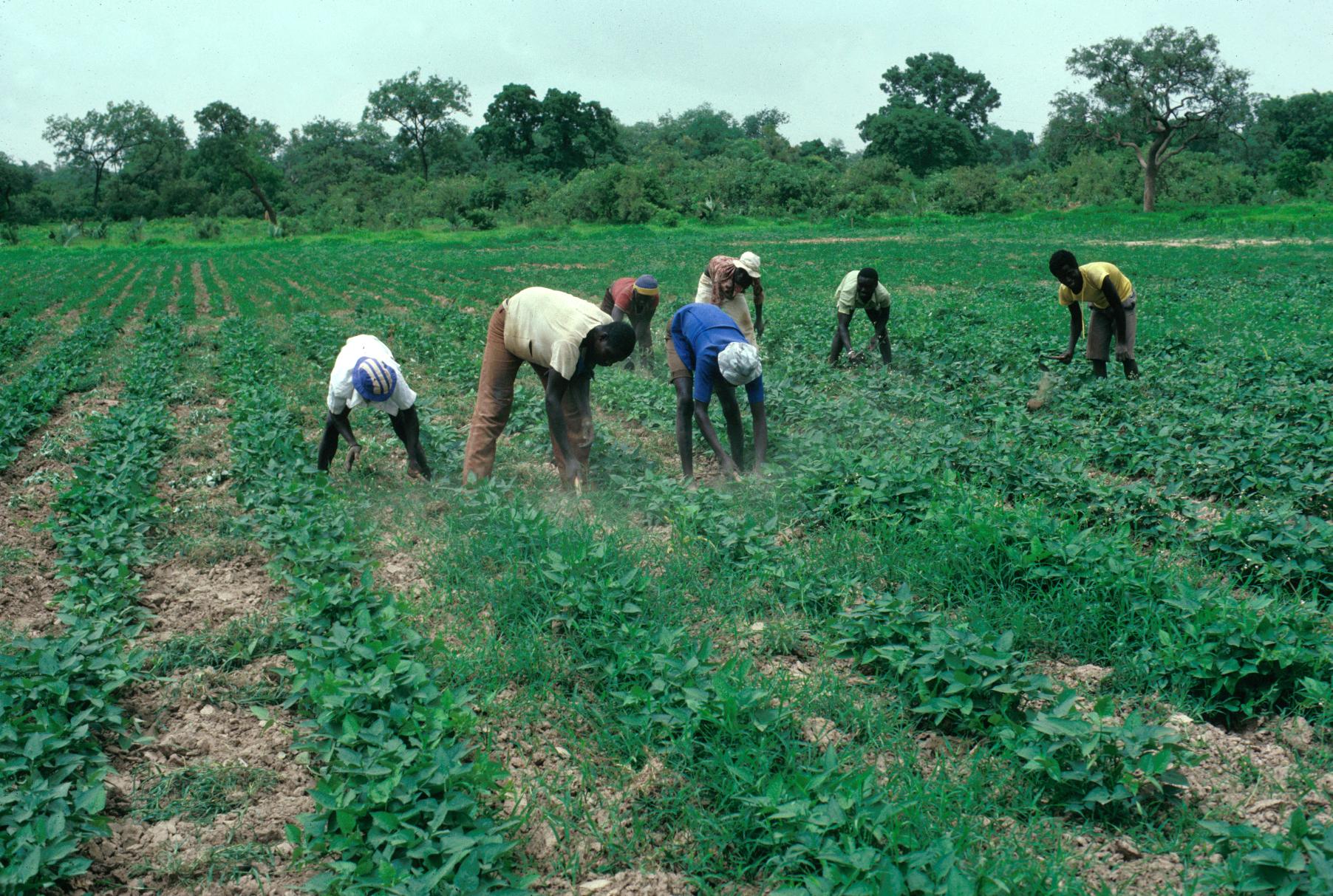
Control weeds: Weeds compete with crops for water and nutrients. Removing them while they are young can make maintenance easier.
Allow enough space: Overcrowded plants compete for growing resources. Following crop-specific spacing recommendations gives plants room to develop.
Check crops regularly: Observing changes in leaves, stems, and overall growth helps farmers identify potential problems early.
🐛 How Can Farmers Protect Crops From Pests?
Insects and plant diseases can damage crops and reduce the amount of food available at harvest.
One useful approach is Integrated Pest Management (IPM). This means using different methods to prevent, monitor, and control pests instead of relying on pesticides alone.
Farmers can inspect plants regularly, identify pests before choosing treatments, and remove infested plant material when appropriate. Beneficial insects, such as lady beetles, can also help control certain pests naturally.
Pesticides should not automatically be the first option. When needed, farmers should follow locally approved product instructions and seek reliable agricultural guidance.
🧺 How Can Farmers Reduce Harvest Losses?
A healthy crop can still go to waste if it is harvested or stored incorrectly.
A few precautions can help protect harvested food:
- Harvest at the right stage: Picking produce at an appropriate level of maturity helps preserve quality.
- Handle crops carefully: Gentle handling reduces bruising and physical damage.
- Store produce properly: Clean containers and suitable storage conditions can help limit spoilage.
- Dry grains and legumes thoroughly: Proper drying before storage helps prevent mould growth and moisture-related deterioration.
Because storage needs differ between crops, farmers should use methods suited to what they grow.
🌾 Can Small Improvements Make a Difference?
Improving harvests doesn't always mean growing more crops. By caring for the soil, protecting plants, and reducing waste after harvesting, farmers can make better use of what they already produce.