🌿 Can You Grow a Plant From Just a Stem?
Yes! And some herbs make this surprisingly easy.
Take mint, for example. Cut a healthy stem just below a point where leaves attach. This spot is called a node, and it's often where new roots develop.
Remove the lower leaves, place the cutting in clean water or a suitable growing medium, and keep it somewhere bright but away from harsh sunlight.
Once healthy roots develop, the cutting can be transferred into soil.
Basil and some other herbs can also be grown this way.
🥬 Can Leftover Vegetables Become New Plants?
Sometimes, the part you'd normally throw away can grow again.
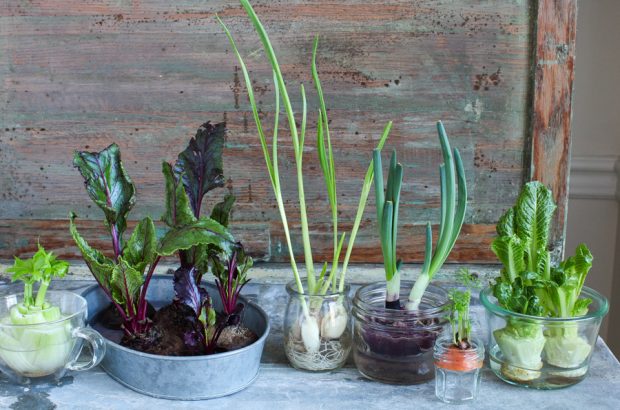
Green onions can produce fresh shoots from their rooted bases, while lettuce and celery may develop new leaves.
However, there's an important difference between seeing new growth and getting another full-sized vegetable.
For example, planting a carrot top won't give you another carrot. It can grow leaves, but the original edible root won't regenerate.
That's why understanding which part of a plant you're growing matters.
🫚 What About Ginger and Potatoes?
Not every new plant starts with a leafy cutting.
Ginger grows from a thick underground stem called a rhizome, while potatoes grow from swollen underground stems called tubers.
Both contain buds that can develop into new plants.
A healthy piece of ginger with a growing bud can produce new shoots, while the small buds on potatoes, commonly called eyes, can develop into new potato plants.
For potatoes, certified disease-free seed tubers are preferable to supermarket potatoes.
☀️ What Helps a New Plant Survive?
Getting a cutting to sprout is only the beginning.
New plants still need appropriate light, moisture, nutrients, and growing space.
Too much water can cause rotting, while strong sunlight may dry out a cutting before it develops enough roots.
Different plants also respond differently, so not every attempt will succeed.
🌱 Ready to Give It a Try?
Before buying another packet of seeds, take a look at the plants you already have.
A healthy mint cutting, a piece of ginger, or a leftover green onion might be all you need to get started.
Sometimes, growing something new begins with what you already have.