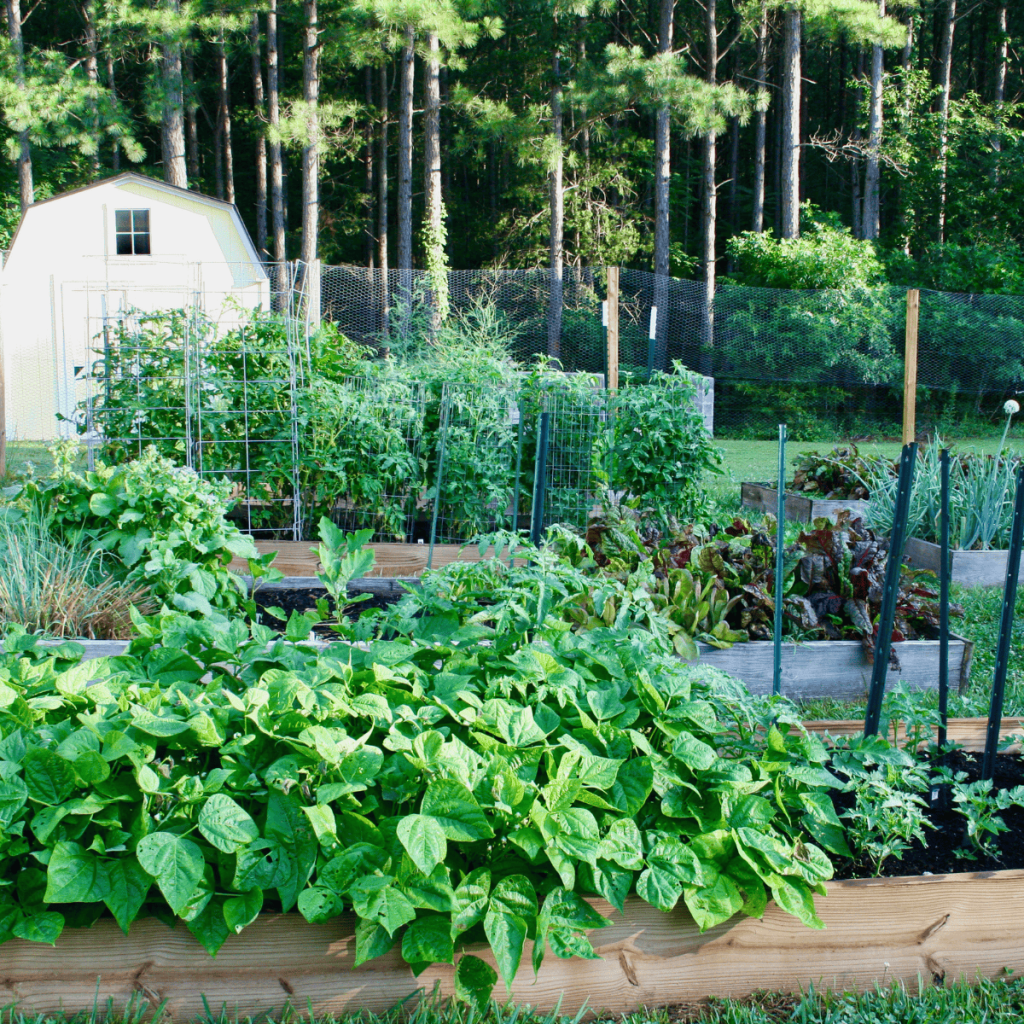
☀️ 1. Check the Sunlight
Not all plants need the same amount of sunlight.
Vegetables like tomatoes, peppers, and cucumbers generally grow best with 6–8 hours of direct sunlight daily, while some leafy vegetables can grow with around 3–5 hours.
Take some time to observe your space throughout the day. Trees, buildings, and walls can create shade at different times.
If you live somewhere particularly hot, some plants may also need protection from the intense afternoon sun.
💧 2. Think About Water and Drainage
How will you water your plants? Is there a tap nearby, or will you need to carry water to your garden?
Also, pay attention to what happens after it rains. If water stays on the ground for long periods, the soil may not drain properly.
If drainage is a problem, raised beds or containers with drainage holes may be better options.
🌱 3. Take a Look at Your Soil
If you're planning to grow directly in the ground, take a look at the soil first.
Soil that's too tightly packed or holds too much water can make it difficult for plant roots to grow.
A soil test can help you understand which nutrients your soil needs, while adding compost may help improve its condition.
If you think the soil might contain harmful substances, have it tested before growing food. Keep in mind that regular soil tests don't always check for contamination, so you may need to request specific tests.
🪴 4. Make the Most of Your Space
You don't need a large backyard to start gardening.
You can grow vegetables and herbs in garden beds, containers, or raised planters, depending on the space you have.
If you're using a balcony or patio, choose plants that fit comfortably without overcrowding the area.
Just make sure your balcony or raised surface can safely support the weight of your pots and soil, especially when they're wet.
🚶 5. Keep Your Garden Easy to Reach
Think about how often you'll need to check on your plants.
Watering, removing weeds, checking for pests, and harvesting are all part of maintaining a garden.
Keeping your garden somewhere convenient makes it easier to stay on top of these tasks, especially if you're growing vegetables that need regular attention.
🌦️ 6. Pay Attention to Your Surroundings
Before settling on a location, take a look at what's happening around it.
Strong winds can damage plants, while heavy rainfall or water flowing across the ground can cause drainage problems.
Your local climate matters too. Some crops grow better in warm tropical conditions, while others prefer cooler temperatures.
Before deciding what to plant, find out which crops grow best in your climate.
🌿 Before You Start Planting
Take a little time to observe your available space.
Does it get enough sunlight? Is water easy to access? Is the soil suitable? Will you have enough room to care for your plants?
Remember, you don't need a big backyard to have a successful garden. What matters is choosing a space where your plants can grow and where you can easily care for them.