🍃 Why Is Cerasee So Popular?
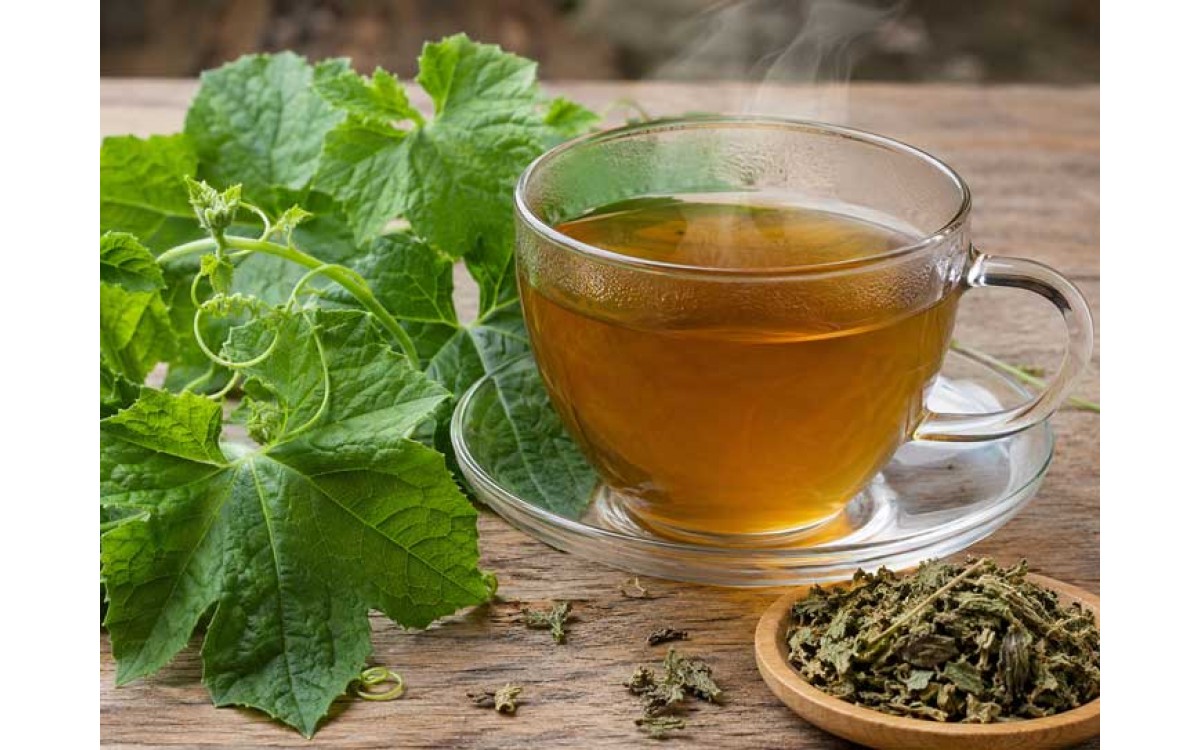
Cerasee comes from Momordica charantia, a tropical climbing vine also known as bitter melon or bitter gourd.
In Jamaica and other Caribbean communities, its leaves and stems are commonly boiled to make tea.
Traditionally, people have used it for digestive complaints, skin conditions, and blood cleansing. Some households also follow a nine-night cleansing tradition.
But does its long history of use mean these remedies actually work?
🔬 What Has Science Discovered?
Researchers have identified natural compounds in bitter melon that may influence how the body manages blood sugar.
In 2025, researchers reviewed 25 clinical trials and found that certain bitter melon preparations may help improve blood sugar levels, including longer-term blood sugar control.
But not every study has reached the same conclusion. A separate review published in 2024 found no significant improvements compared with a placebo, or an inactive treatment.
So why are researchers getting different results?
Studies have used different preparations, including powders, extracts, and juices, as well as different amounts and treatment periods.
Importantly, these findings don't establish that homemade cerasee tea produces the same results.
💧 Does Cerasee Really Cleanse the Blood?
One of cerasee's best-known traditional uses is removing impurities from the body.
Scientists have investigated whether bitter melon compounds might help protect the liver from damage.
Early laboratory and animal studies have shown some promising results, but we still don't know whether drinking cerasee tea provides those same benefits in humans.
Our liver and kidneys already perform the essential work of processing and removing waste.
There's currently no convincing clinical evidence that drinking cerasee tea cleanses the blood or removes toxins.
🌱 What About Digestion and the Nine-Night Tradition?
Cerasee has traditionally been used for constipation, bloating, and stomach discomfort.
However, clinical research hasn't established that drinking the tea reliably treats these complaints or eliminates intestinal parasites.
Similarly, the nine-night cleansing practice is part of Caribbean herbal tradition, not a medically proven detoxification method.
That doesn't erase its cultural significance. It simply means the claimed benefits remain uncertain.
⚠️ Is Cerasee Safe?
With so many traditional uses, it's easy to assume cerasee is harmless because it comes from a plant. But that's not always the case.
Bitter melon preparations may cause stomach discomfort or diarrhoea and could increase the risk of low blood sugar when combined with diabetes medication.
Medicinal use should be avoided during pregnancy because of potential reproductive risks.
Anyone taking medication or managing a medical condition should seek professional advice before using cerasee medicinally.
🌿 The Bigger Picture
Cerasee is more than a bitter bush tea. It's part of Caribbean history and traditional knowledge passed down through generations.
Research suggests the plant contains compounds worth investigating, but there's still much we don't know about the benefits of drinking its tea.
We don't have to dismiss traditional remedies simply because science hasn't confirmed every claim. But we also shouldn't assume generations of use make something a proven treatment.
Perhaps the best way to appreciate cerasee is to respect the tradition while remaining curious about what science can genuinely tell us.