🌱 How Does Each Approach Work?
Traditional gardening involves maintaining the conditions plants need to grow.
Common practices include:
- Watering: Providing moisture to support plant growth.
- Fertilization: Adding nutrients when the soil cannot supply enough.
- Soil Management: Maintaining suitable drainage, soil structure, and growing conditions.
- Pest Management: Protecting crops from insects, diseases, and other threats.
Electroculture uses a different set of techniques:
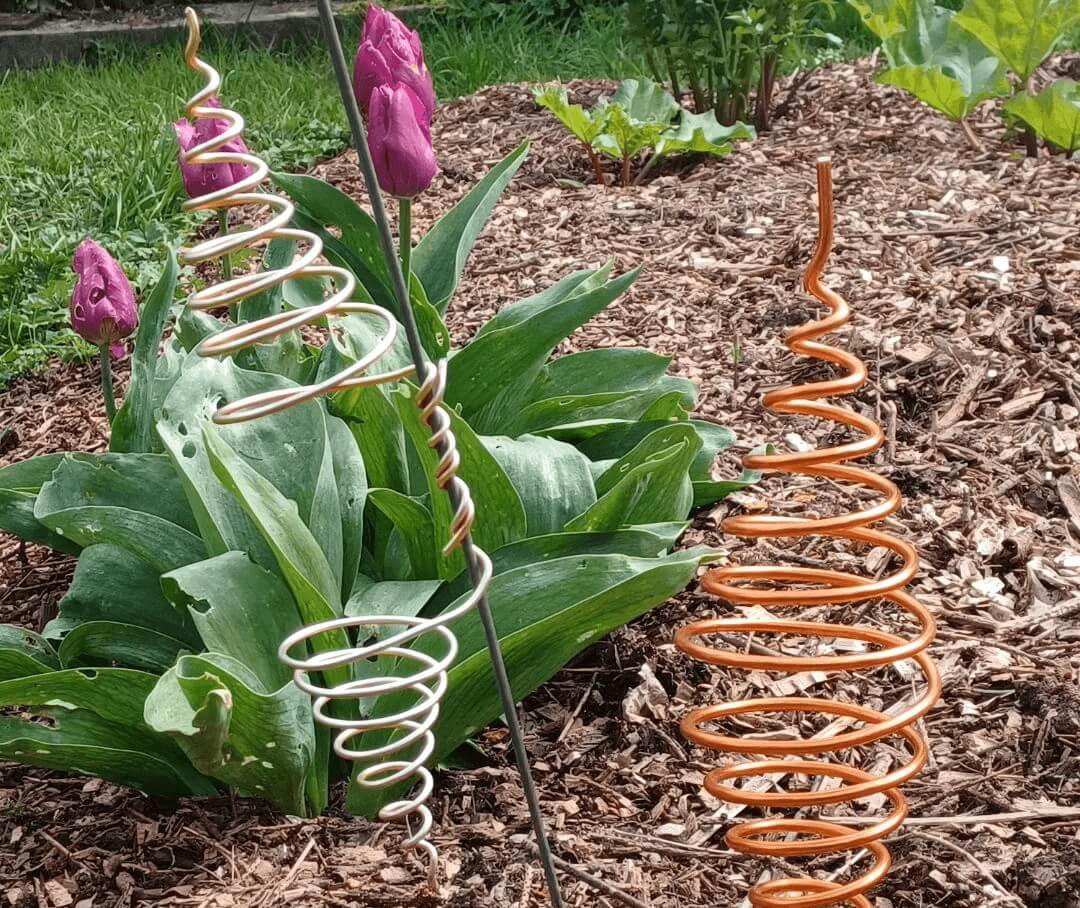
- Copper Antennas: Metal rods or coils placed near plants as part of passive electroculture setups.
- Electrodes: Materials that carry electricity, placed in the soil or near plants.
- Controlled Electrical Treatments: Equipment that applies electrical fields or currents under specific conditions.
Unlike conventional gardening practices, these techniques aim to influence plant processes through electrical effects rather than directly supplying water or nutrients.
⚖️ What Are the Practical Differences?
Traditional gardening and electroculture differ in several areas, including the equipment used, maintenance requirements, and scientific support.
- Equipment: Traditional gardening uses familiar tools and materials such as watering cans, compost, and gardening equipment. Electroculture may involve copper rods, electrodes, or powered electrical equipment.
- Maintenance: Traditional gardening requires regular watering, soil care, and plant monitoring. Electroculture equipment may require additional maintenance depending on the method being used.
- Application: Traditional gardening practices can be adjusted based on soil conditions and crop needs. Electroculture treatments may require different electrical settings depending on the crop and technique.
- Scientific Support: Traditional gardening practices are supported by established agricultural research. Electroculture is still being studied, with some methods showing promising results while others lack consistent evidence.
Weather, crop selection, growing conditions, and how each method is applied can influence the results.
🌿 What About Cost and Maintenance?
Traditional gardening costs depend on factors such as water availability, fertilizers, equipment, and the size of the growing area.
Electroculture costs vary depending on the technique. Passive copper antenna setups may use basic materials, while controlled electrical treatments can require specialized equipment and additional maintenance.
The equipment required, time spent maintaining it, and any measurable effects on plant growth are all factors that influence the practical use of each method.
When electroculture is introduced alongside traditional gardening, regular plant care may still be required, meaning the electrical equipment could represent an additional expense.
🌾 Understanding the Difference
Traditional gardening focuses on providing plants with suitable growing conditions, while electroculture uses electrical techniques intended to influence plant development.
Although their methods differ, they are not necessarily competing approaches. Electroculture can be explored alongside traditional gardening practices, with results varying depending on the technique, crop, and growing environment.