🥭 What Makes Caribbean Fruits So Nutritious?
Different fruits provide different nutrients, and some of our local favourites have surprisingly impressive nutritional profiles.
Take guava, for example.
According to USDA nutritional data, 100 grams of raw guava contains approximately 228 mg of vitamin C, compared with just 4.6 mg in the same amount of apple with skin.
That's nearly 50 times as much vitamin C!
Guava also provides fibre for digestion and potassium, which helps our muscles and nerves function properly.
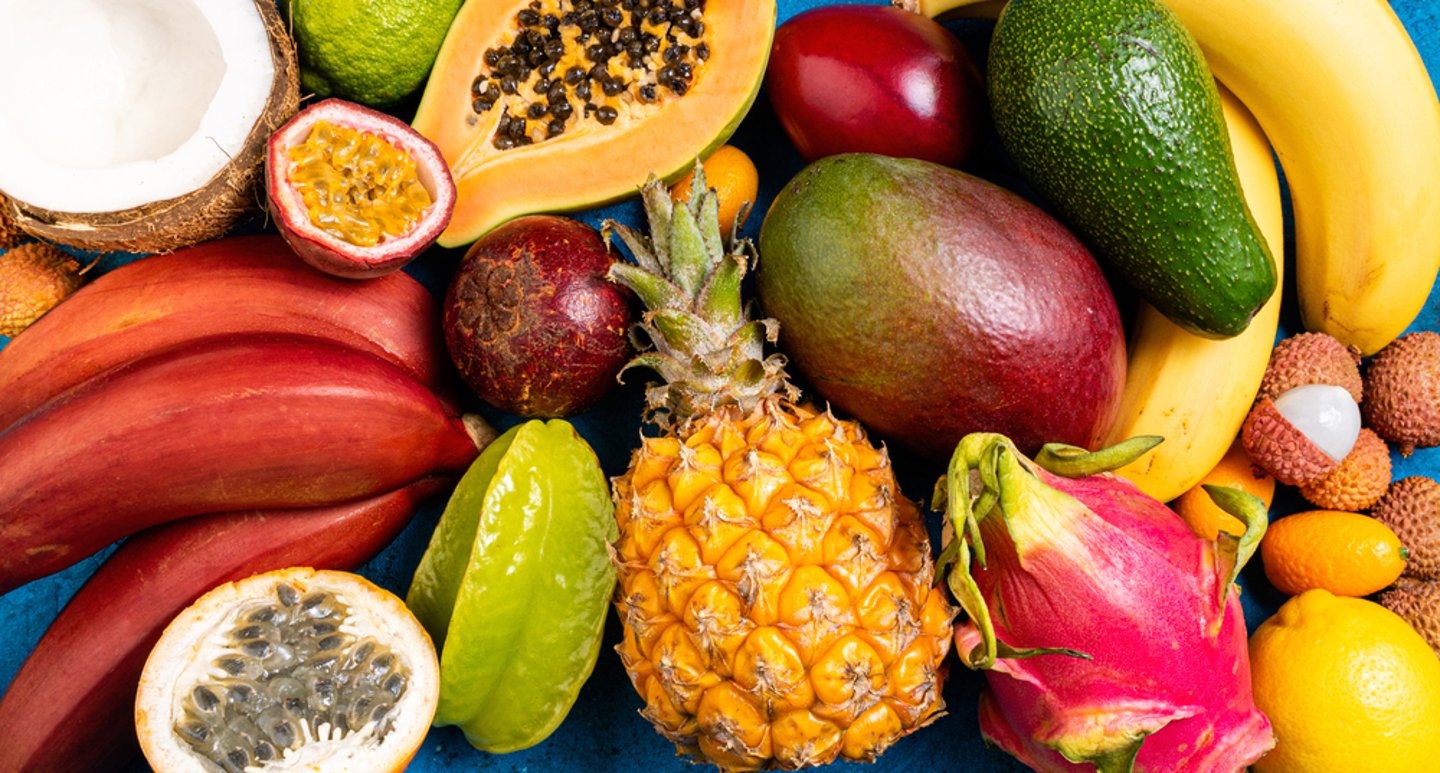
And guava isn't the only Caribbean fruit worth paying attention to. West Indian cherry, also called acerola or Barbados cherry, is exceptionally rich in vitamin C, while papaya provides beta-carotene, which the body converts into vitamin A. Mango also offers vitamins A and C.
These aren't miracle foods. They're familiar fruits providing nutrients our bodies need.
🍈 Can Eating These Fruits Improve Our Health?
Research consistently links diets rich in fruits and vegetables with better long-term health outcomes.
Their fibre, vitamins, minerals, and natural plant compounds contribute to a balanced diet.
But while these fruits offer nutritional benefits, it's important to separate what science has established from some of the health claims we hear.
For example, soursop is sometimes promoted as a cancer-fighting fruit, but there's no reliable clinical evidence that eating soursop cures cancer.
The real benefit comes from regularly enjoying a variety of nutritious foods rather than relying on one fruit.
🍎 Are Imported Fruits Healthier?
Not necessarily.
Apples, grapes, and berries are nutritious, but Caribbean-grown fruits have plenty to offer.
The accompanying educational video highlights guava's vitamin C and fibre content compared with imported alternatives.
However, nutritional comparisons should consider portion sizes, varieties, and preparation methods.
Whole fruits are also generally preferable to sugary fruit drinks because they retain their natural fibre.
Ultimately, variety matters more than whether a fruit is imported or locally grown.
🌿 The Bigger Picture
Caribbean fruits have nourished our communities for generations, yet their familiarity sometimes makes us overlook their value.
Choosing locally grown fruits when available can support regional farmers while adding variety to our diets.
That might mean enjoying papaya with breakfast, snacking on fresh guava, or including mango in a fruit salad.
We don't need to abandon imported produce or search for expensive superfoods to make nutritious choices.
Sometimes, improving our diets begins with recognising the value of foods we've had around us all along.